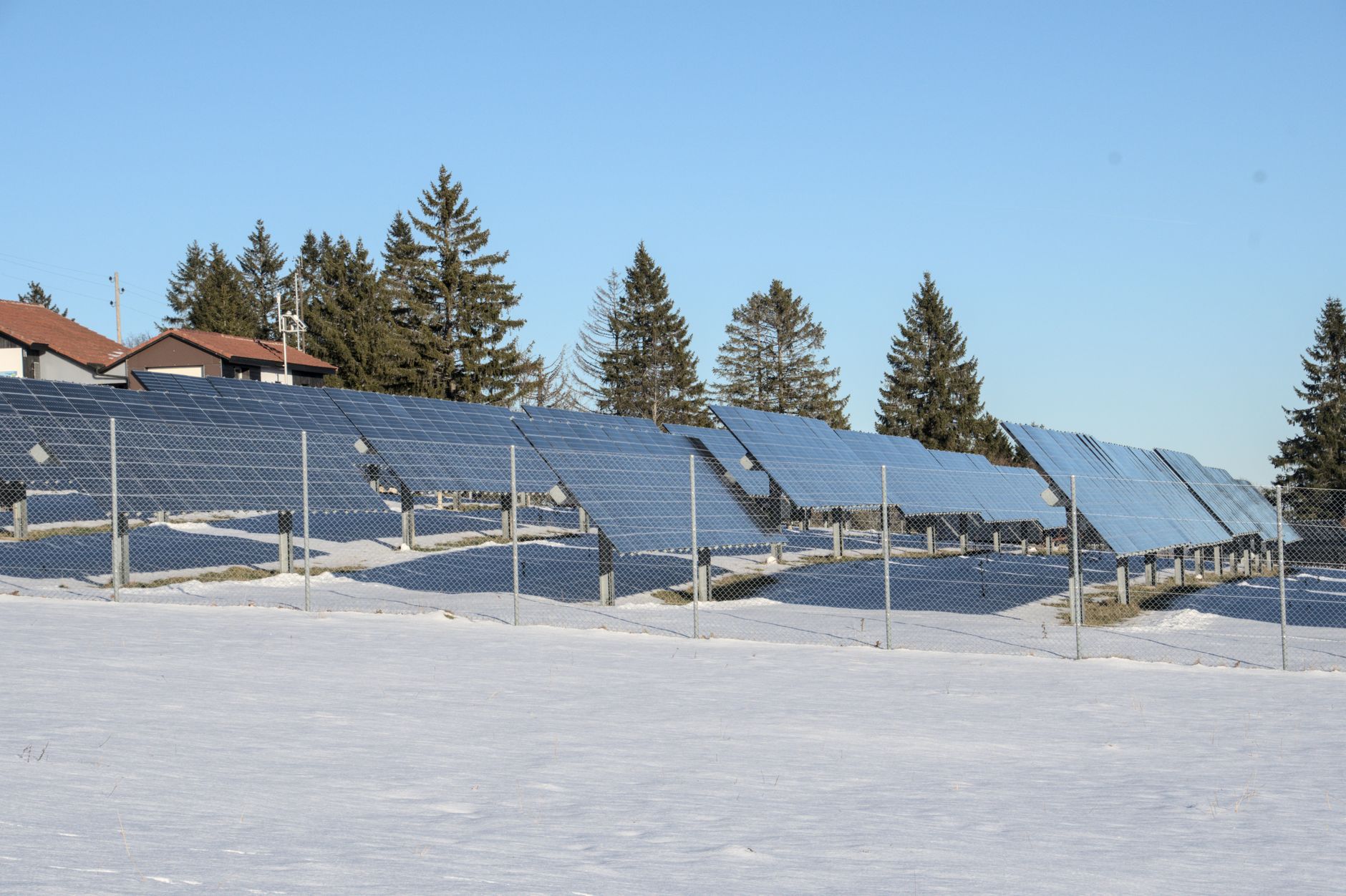
Toronto’s short winter days and snowy weather can make solar power seem less predictable. Panels do produce less energy when daylight hours are limited, but cold temperatures alone do not prevent them from working. Snow can temporarily cover a system, while its actual effect depends on conditions at your roof. Understanding these factors helps you set realistic expectations and ask useful questions before committing to an installation.
Winter sunlight and energy output
Solar panels generate electricity from daylight, not just strong summer sunshine. In winter, Toronto has fewer daylight hours and the sun sits lower in the sky, so a system usually produces less energy than it does during longer, brighter days. Cloud cover can reduce output further. Ask an installer to explain how seasonal production estimates differ across the year rather than relying on one annual figure.
Your roof’s direction, pitch, shading, and available area all affect how much winter light reaches the panels. Nearby buildings, trees, chimneys, and roof features can cast longer shadows when the sun is low. Ask whether the installer will assess shading throughout the year and show how the proposed layout accounts for it.
Snow and roof conditions
A layer of snow can block sunlight and pause or reduce electricity production until it slides or melts. The impact depends on how much snow accumulates, the panel angle, and local weather. Panels often warm slightly in sunlight, and their smooth surface may help snow move, but that is not guaranteed. Ask how the installer estimates snow-related losses for your specific roof.
Avoid climbing onto a snowy or icy roof to clear panels. That can create a serious fall risk and may damage the roof or equipment. Ask the installer whether your system needs any special maintenance guidance and how to check production safely from the ground or through the monitoring app.
Cold-weather panel performance
Solar panels can operate in cold weather; freezing temperatures do not stop them from producing electricity when light is available. In fact, panel output can be more favorable in cool conditions than in extreme heat, provided the panels receive enough sunlight. Winter’s shorter days, clouds, and snow cover are usually more important constraints than cold alone.
Ask which equipment is suitable for local conditions and what the manufacturer’s specifications say about operating temperatures, snow loads, and wind. Confirm how wiring, inverters, mounting hardware, and roof attachments are selected for the site. Also ask what warranties cover and who to contact if monitoring shows a fault.
Questions for your installer
Request a site-specific estimate that shows expected production by month, not just an annual total. Ask what assumptions the estimate uses for shading, roof orientation, snow, and system losses. Find out how the system’s expected output compares with your household’s electricity use in different seasons, and ask what happens to any difference under your utility arrangement.
Before signing, ask who handles permits, inspections, utility connection steps, and monitoring setup. Clarify whether the roof needs repairs before installation and how the work could affect existing roofing warranties. Ask for a written scope, equipment details, warranty terms, and a clear explanation of maintenance responsibilities. A dependable installer should be able to answer these questions without promising identical output in every season.
Toronto winters reduce solar production mainly through shorter days, cloud cover, and occasional snow—not because panels cannot work in the cold. A site-specific assessment and clear seasonal estimates can help you judge whether solar fits your home. Compare written proposals carefully, and contact Northline Solar to discuss your roof and winter production questions.